WatOR operated from 2019-2022 to solve iron deficiency anemia through water fortification. Received funds from the Centre for Effective Altruism, Fortify Health, IIT Bombay, smaller NGO grants, and monies from family and friends.
It was my passion project and one of my biggest achievements in life.
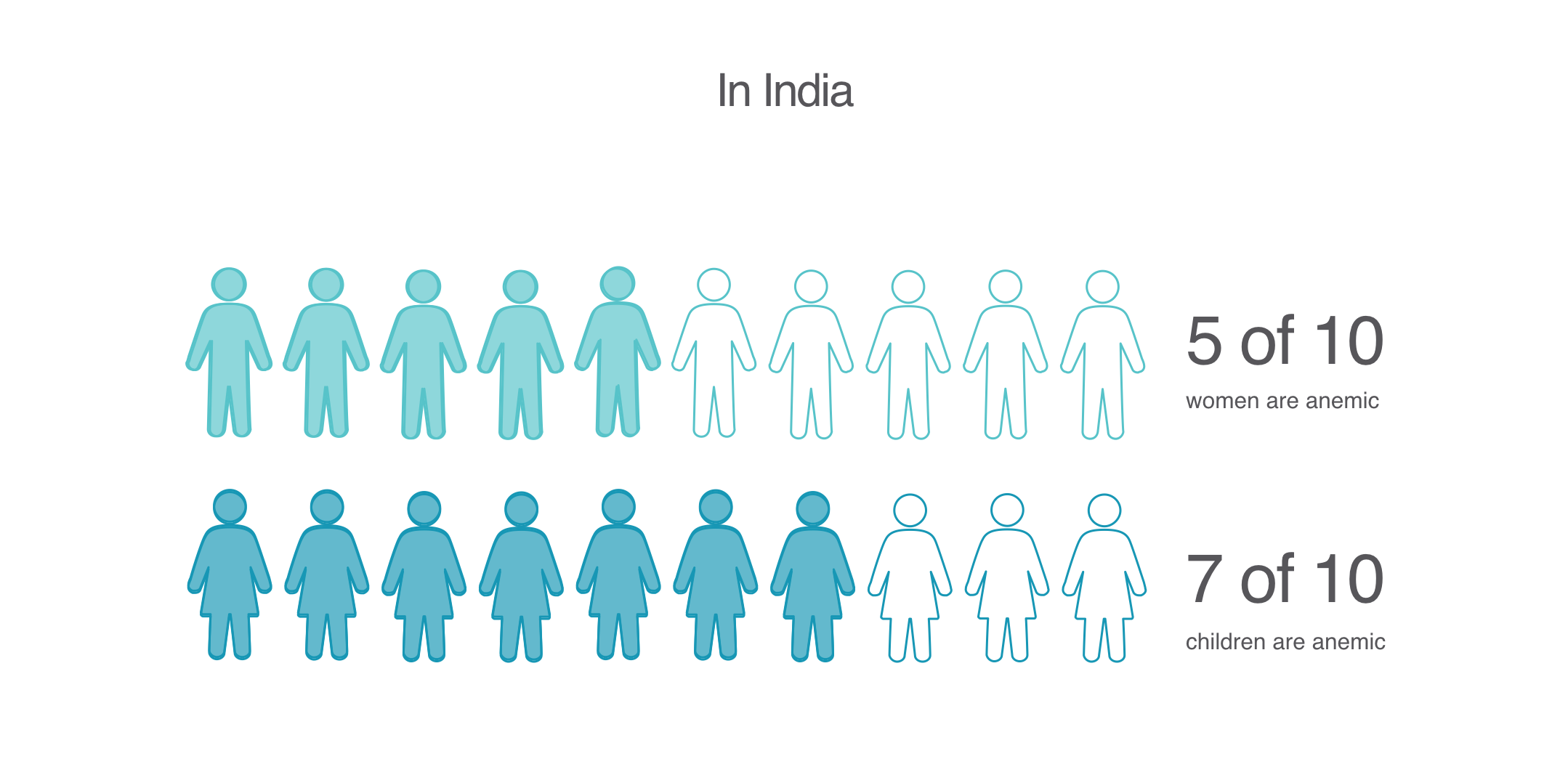
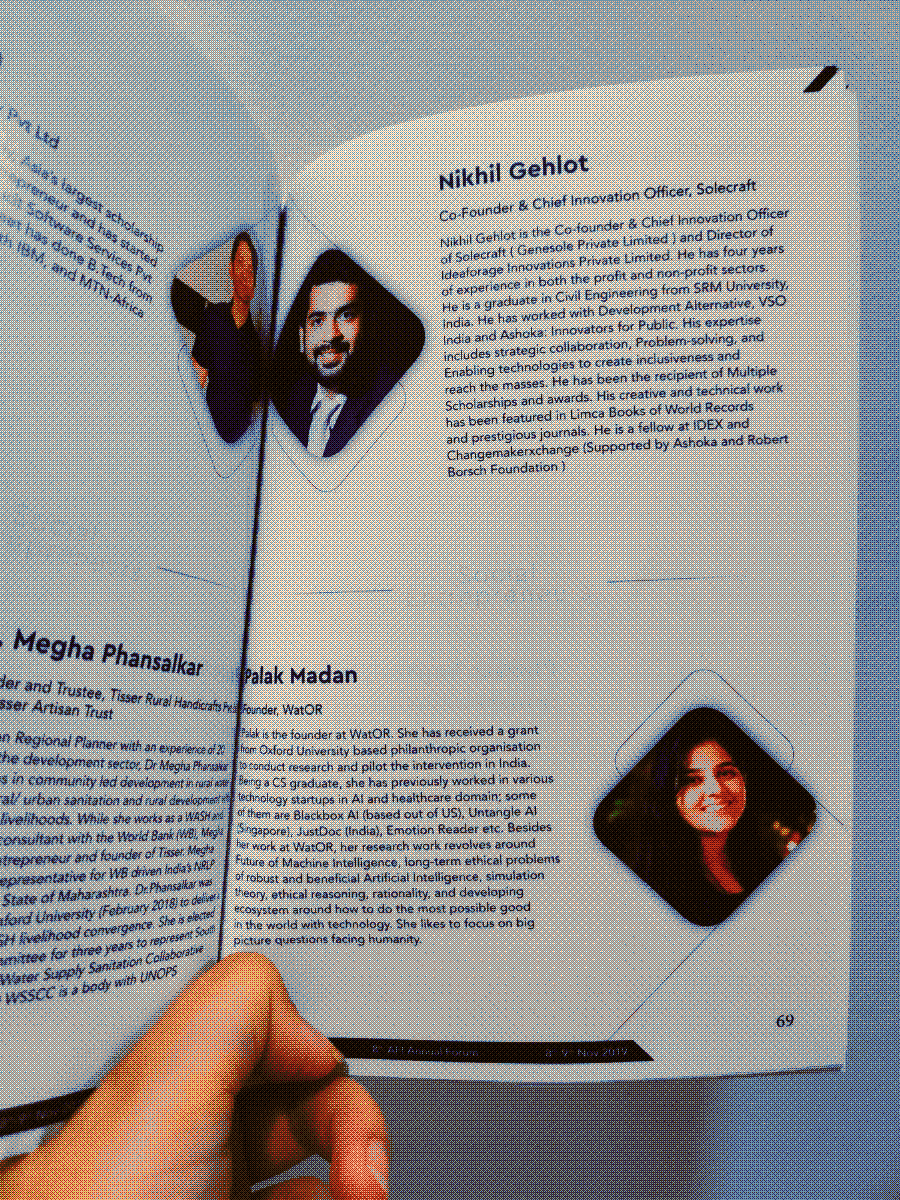
I started WatOR in 2019 to tackle widespread Iron Deficiency Anemia in India. It affects more than 55.3% of women and 69.5% of children in India. At the time, food fortification was well-established with enough evidence supporting its efficacy. But no one had tried water fortification before. I started with essentially no experience in product, business, biotech, epidemiology, or electronics. My background was in software engineering and a lot of passion to make a positive impact in the world.
While reading a lot about anemia, it occurred to me in the shower one afternoon: what if we could fortify water instead of food?
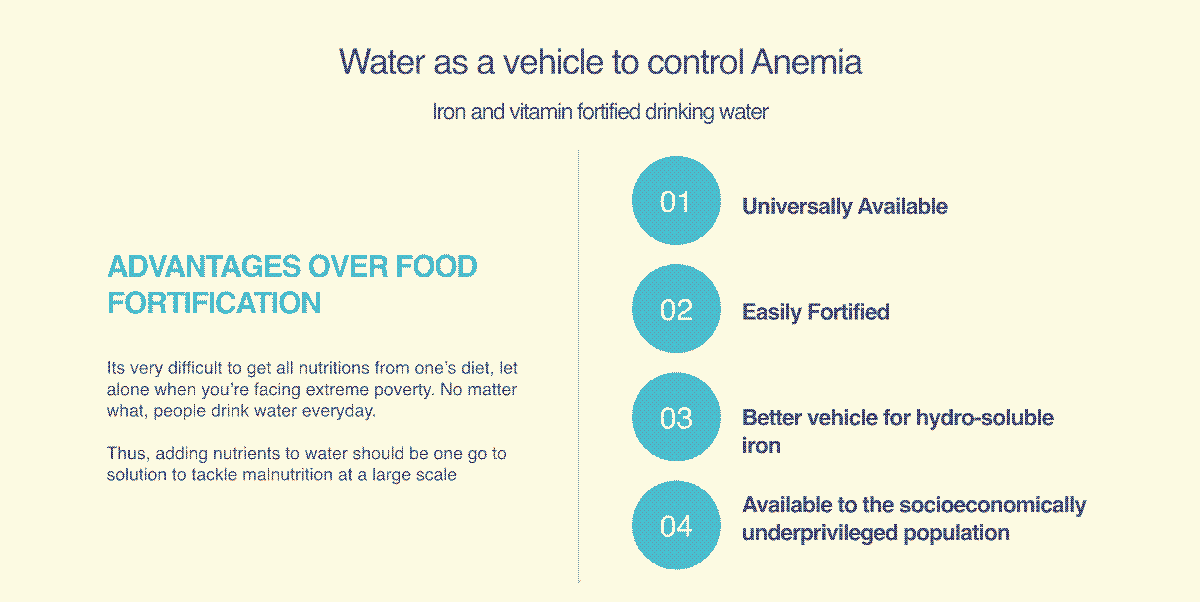
The logic was compelling. Water is universally available, easily fortified, and a better vehicle for water-soluble iron which absorbs better than iron from food compounds. Most importantly, it reaches the socioeconomically underprivileged population who need it most. In India, fortification of staples had been difficult due to funding constraints, decentralized markets, ops-heavy work, and lack of government and industry buy-in. Water could change that.
With funding from the Centre for Effective Altruism, we built a prototype: an add-on for RO filters that would meter out tiny, calibrated portions of iron fortificant into passing water.
All I had to figure out was how to make iron salt colorless, tasteless, odorless, and cheap. That's what I thought on day 1. Oh kid, you did NOT know what you were getting into.
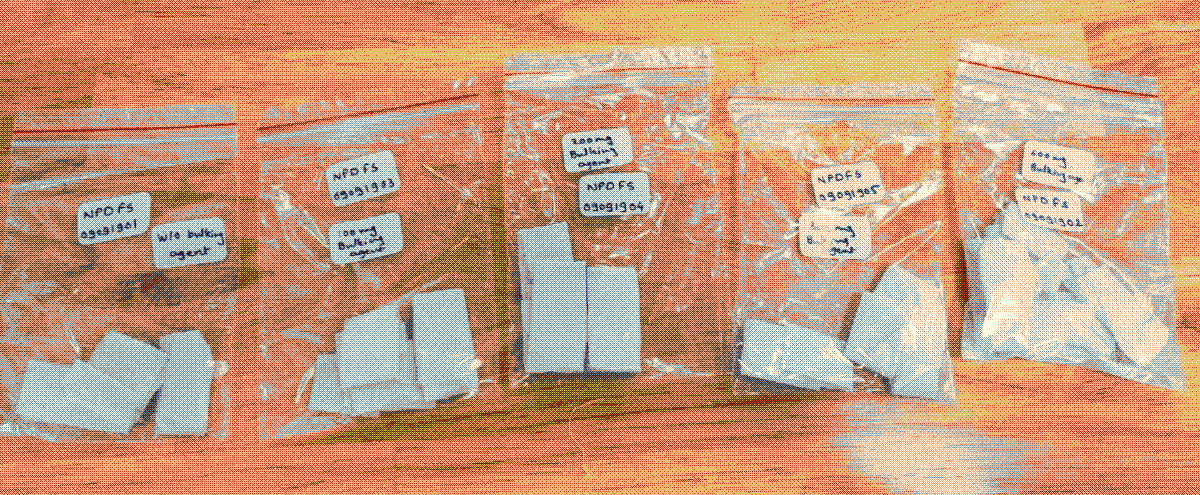
The technical challenge was deceptively simple: dispense microscopic amounts of powder into flowing water. In practice, it was brutally hard.
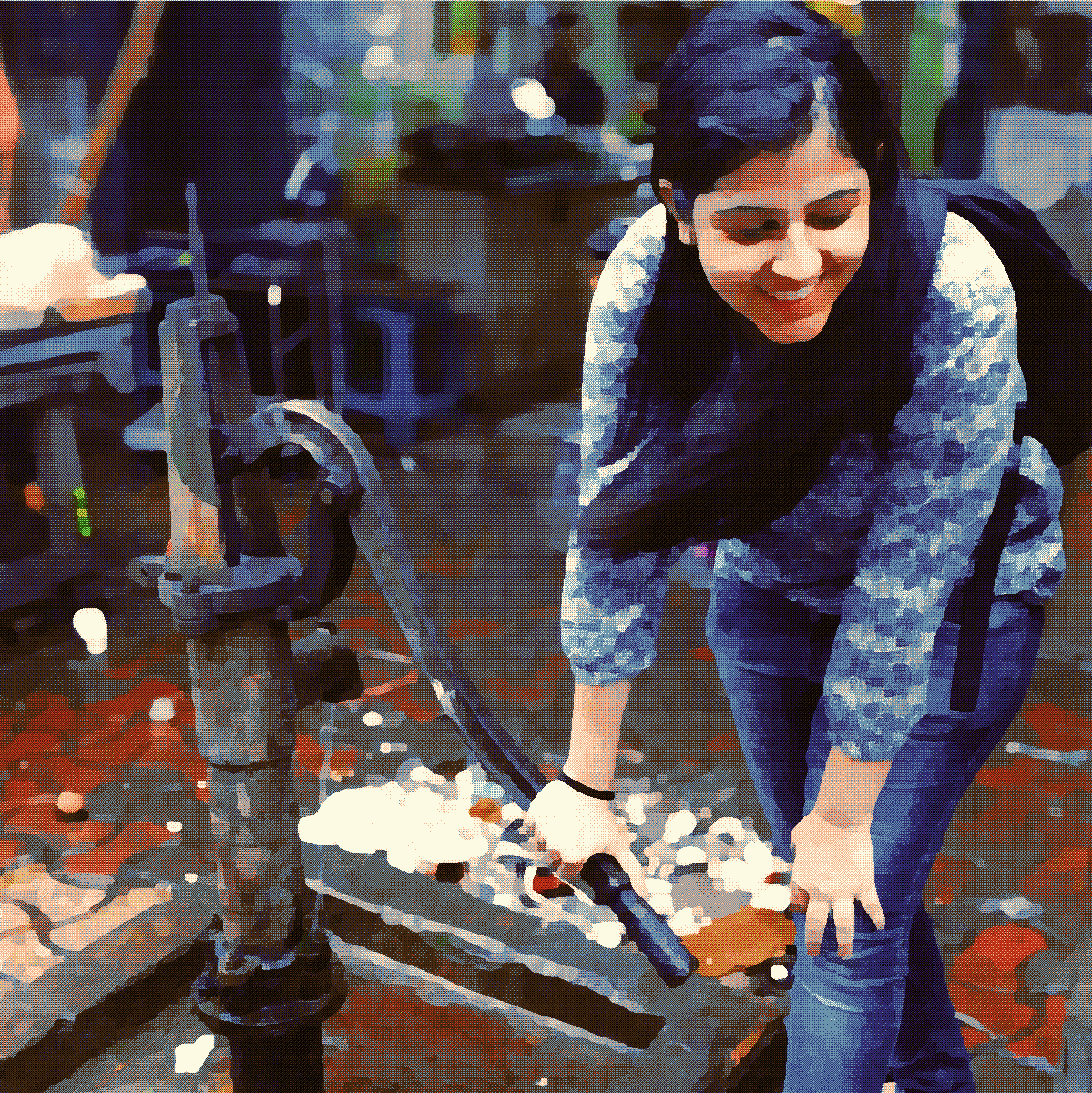
Before WatOR, I was working with Fortify Health in 2019. During their market research across different states, I collected water samples in small test tubes from everywhere we visited. I wanted to analyze the existing mineral content and see if our iron salt would interact badly with what was already there.
We conducted pilot studies with local NGOs and labs in Mumbai, Thane, and Vikhroli, including slum areas. We were refining the prototype, building evidence, and preparing for scale. We had planned a grand randomized controlled trial to compare food versus water fortification efficacy. It would have been groundbreaking data. We were almost ready.
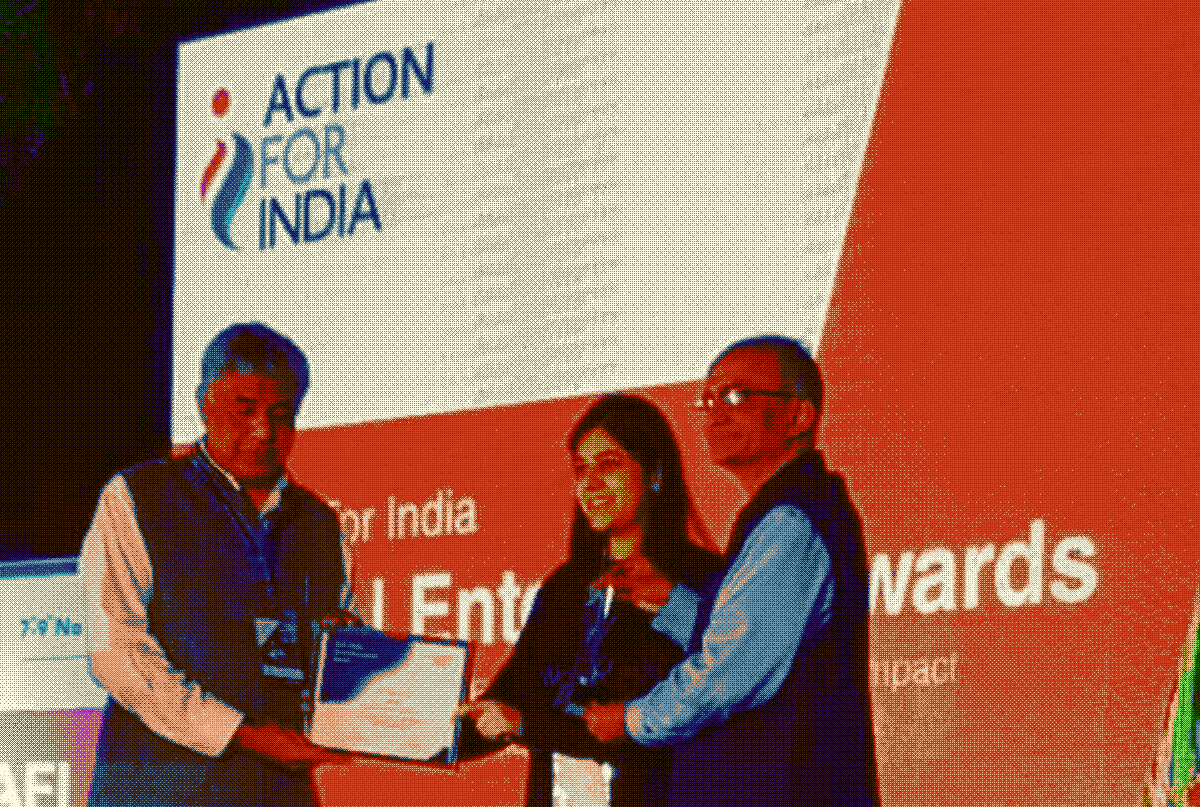
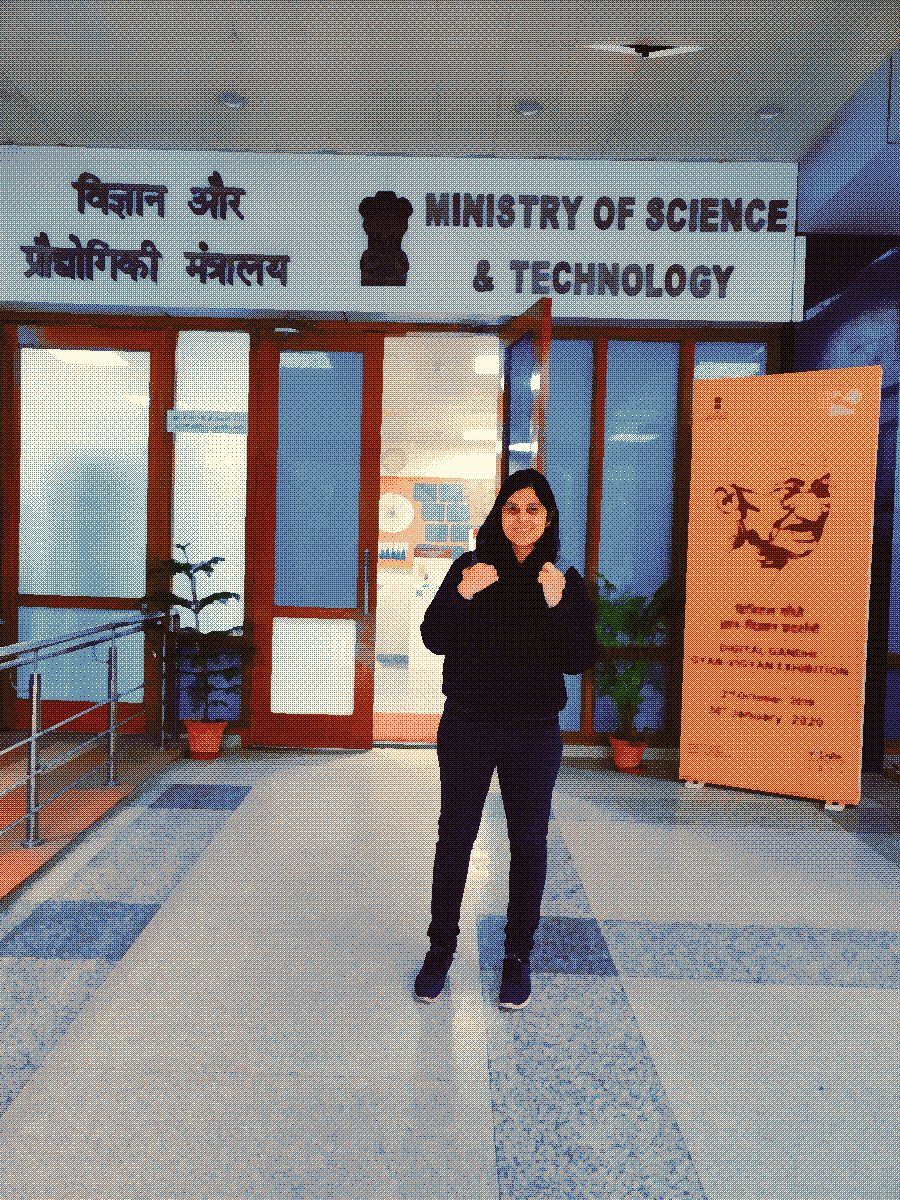
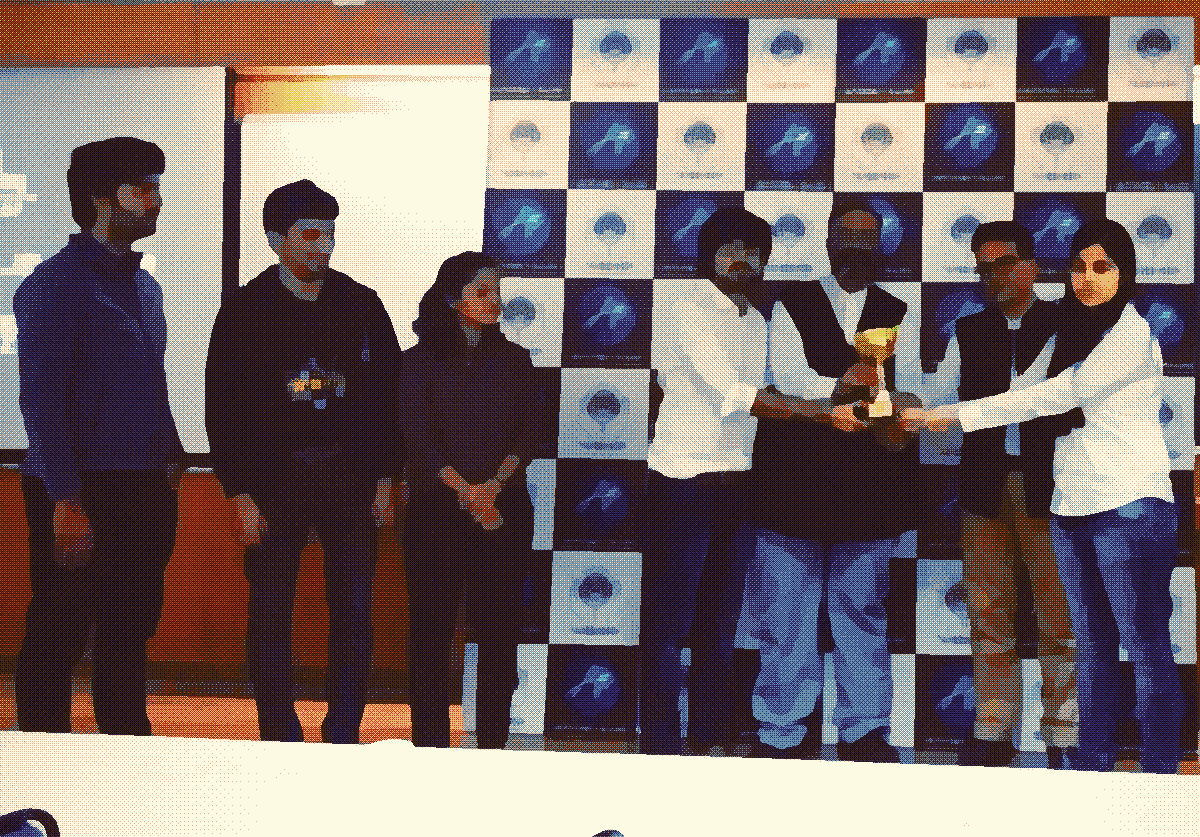
We won awards from India's most prestigious business and technology institutions. Best social enterprise award at ISB Hyderabad, biodesign innovation hackathon at IIT Bombay, Action for India. We were recognized by the Government of India and signed an MoU with the Ministry of Health and Family Welfare to deploy our product in 6,000 villages across north India.
Then COVID hit. The nationwide lockdowns in 2020 and 2021 made everything 100x more difficult. We couldn't visit our labs. Product testing stopped as vendors closed their shops. Our funders reallocated money to COVID-relief funds. We couldn't access communities or run our RCT. We couldn't move forward.

For a long time, I felt like I had failed. But looking back now, here's what I know:
WatOR didn't fail because the idea was bad or because we weren't capable. It failed because of timing, circumstances, and yes, decisions I made that I would make differently now. But it also succeeded in ways I'm only beginning to appreciate: we proved water fortification was technically feasible, we built partnerships with NGOs and communities, we collected data that didn't exist before, and we pushed the conversation about anemia solutions in India forward.
More than half of India still suffer from anemia. That problem hasn't gone away. Maybe someone reading this will pick up where we left off. Maybe the idea will find its moment.
As for me, I'm no longer ashamed of discontinuing WatOR. It was one of the biggest achievements of my life, even if it didn't end the way I hoped. I'm proud of what we built, proud of what we tried, and grateful for everything it taught me.